Are Your Locks Invalidating Your Home Insurance? A Guide to BS3621 and TS007
When you take out home insurance, you are invariably asked to confirm the type of locks fitted to your external doors. Ticking the "British Standard" box without verifying your hardware could prove to be a catastrophic financial mistake if you are ever burgled.
If an insurer discovers your locks did not meet their minimum requirements, they can entirely reject your claim. Here, LRS Locksmith Ltd explains the exact standards you need to look for.
Timber Doors: The BS3621 Mortice Deadlock
If you have a traditional wooden front or back door, your insurer will almost certainly require a lock compliant with British Standard 3621 (BS3621). These locks are morticed (cut) into the actual body of the door.
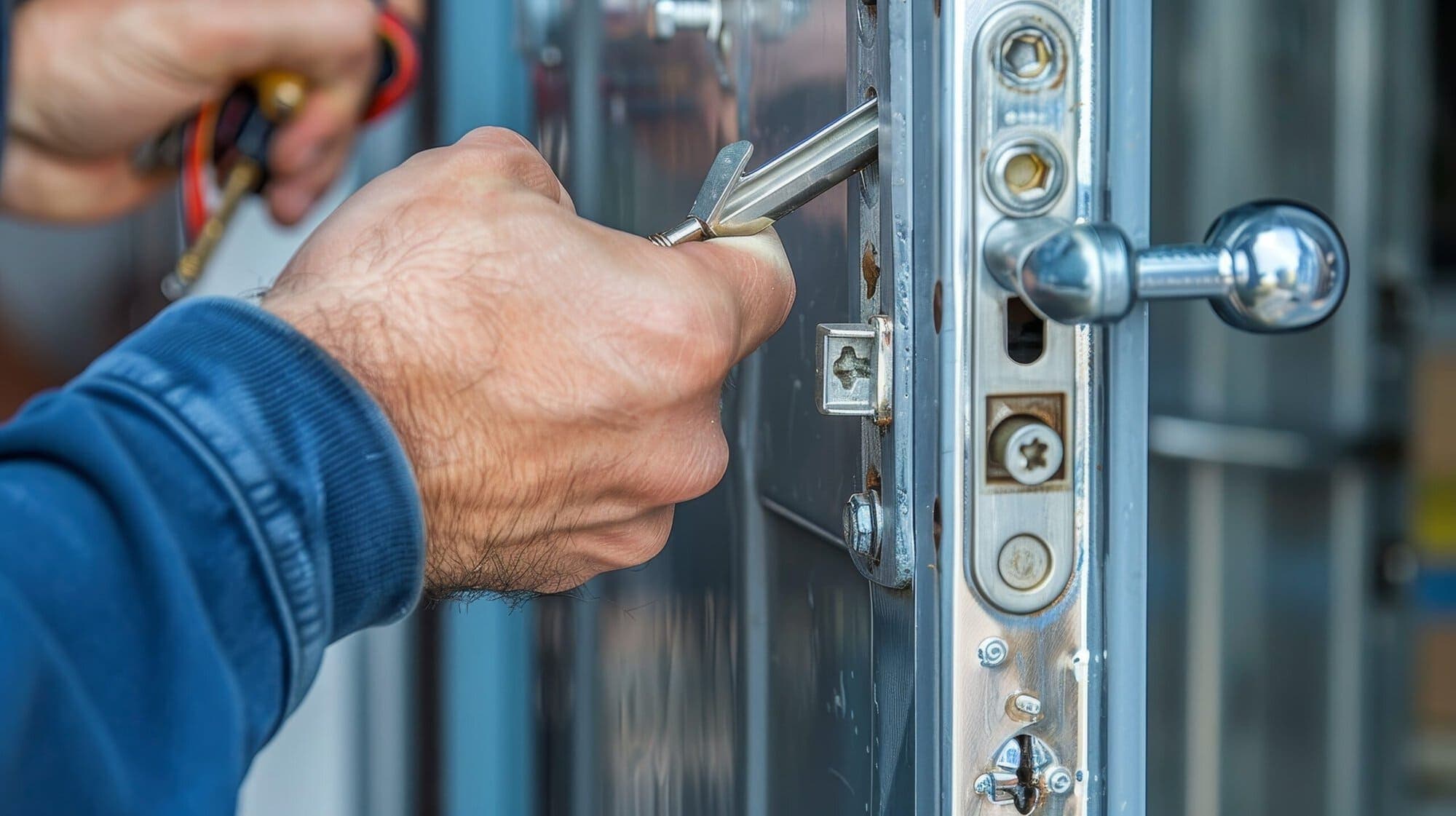
To pass the BS3621 standard, the lock must provide extreme resistance to picking, drilling, and forcing. Crucially, it must have a minimum of five internal levers and a hardened steel bolt that protrudes at least 20mm into the frame. You will know if your lock complies because the BSI Kitemark and the text "BS3621" will be clearly stamped on the faceplate visible when the door is open.
UPVC & Composite Doors: The TS007 Standard
If you have a modern UPVC or composite door, it will utilize a Euro cylinder mechanism. Because these locks are vulnerable to lock snapping, the industry introduced the TS007 standard system, rated from 1 to 3 stars.
- 1-Star Cylinders: Offer basic protection against picking and drilling but no dedicated anti-snap resistance. They must be partnered with dedicated 2-Star rated security door handles to achieve full compliance.
- 3-Star Cylinders: The ultimate benchmark. A 3-Star cylinder independently passes rigorous anti-snap testing and is the preferred cylinder for complete peace of mind.
Booking a Security Audit
Don't leave it to chance. If you cannot identify the Kitemasks on your locks, contact us for a comprehensive lock replacement assessment across Liverpool and the surrounding areas.